
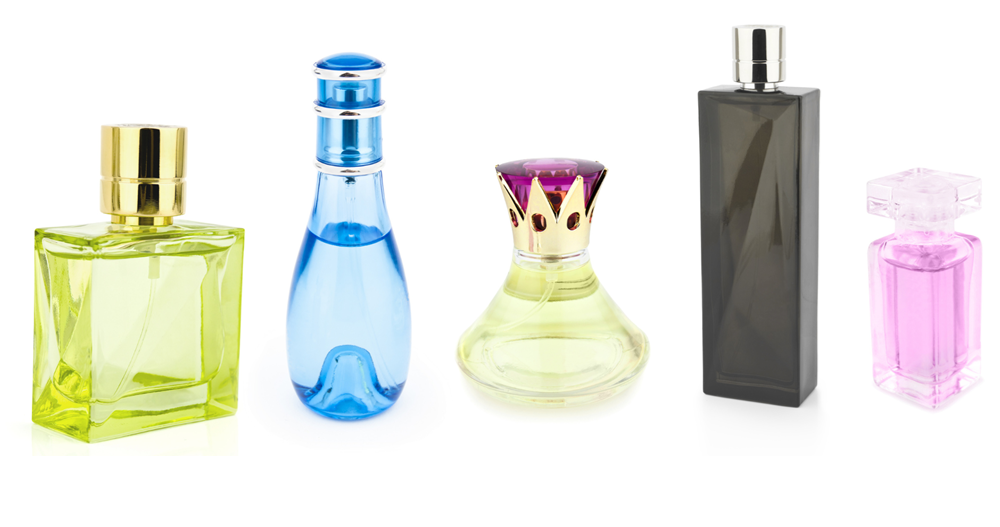
In recent years, global consumers have seen explosive demand for clean, eco-friendly and recyclable packaging. Against this backdrop, glass boasts naturally inert raw material properties plus superior moisture and oxidation barrier performance, gaining unprecedented popularity in cosmetic packaging. From daily skincare jars to luxury perfume bottles, glass packaging applications keep expanding, fueling rapid growth of the cosmetic glass bottle market.
Dual drivers of policy and market are reshaping the beauty packaging landscape. On one hand, rising environmental awareness pushes consumers to opt for green packaging; on the other, plastic reduction regulations are rolled out worldwide. Together, they accelerate the green transition of the beauty sector. Top brands including Estée Lauder and Dior have shifted core product lines to glass packaging, followed by countless smaller brands, creating a widespread industry benchmark effect.
As consumers raise standards for ingredient safety and premium texture, high-quality glass packaging combining eco-friendliness and luxury feel becomes a key strategic tool for brands to boost product added value and market competitiveness. The glass packaging sector is set to enter a sustained high-growth golden period.
1. Global Cosmetic Glass Bottle Market Size Forecast 2025–2035
The global cosmetic glass bottle market reached USD 3.2 billion in 2024. It is projected to hit USD 3.312 billion in 2025 and grow further to USD 4.672 billion by 2035, with a CAGR of 3.5% over the forecast period.
By region, the Asia-Pacific market is expected to register a 5.4% CAGR. China owns a mature skincare industry while India’s skincare and perfume markets keep expanding, jointly lifting regional growth. China’s CAGR will stand at 4.4% and India at 4.6%. Europe and North America see slower growth yet retain large market shares.
| Country | CAGR (2025–2035) |
|---|---|
| China | 4.4% |
| United States | 2.4% |
| Germany | 2.0% |
| United Kingdom | 1.6% |
| Spain | 3.1% |
| India | 4.6% |
| Canada | 2.2% |
2. Market Segmentation
By product type, cosmetic glass bottles are split into pump bottles, spray mist bottles, glass roll-ons, screw-top bottles and dropper bottles. Pump bottles dominate the global market, worth USD 500 million in 2024, with a projected 5.0% CAGR from 2025 to 2035.
In terms of materials, regular glass, borosilicate glass and pharmaceutical glass each carry unique advantages for cosmetics of different tiers and applications.
Geographically, the industry shows distinct regional traits. Asia, especially China, enjoys fast demand growth driven by massive population base and consumption upgrading. Europe and North America display strong appetite for premium glass packaging due to consumer pursuit of high-end products. As globalization deepens, global market distribution gradually balances out.
By application, the market covers skincare, hair care, deodorants and others. Deodorants captured a 46% market share in 2024. Frequent use of perfume and deodorant fuels steady expansion of this segment. Rising focus on personal care enlarges the whole cosmetic market, lifting demand for packaging materials. Meanwhile, growing demand for brand personalization and sustainability unlocks strong growth potential for high-end customized glass bottles.
3. Market Growth Drivers
| Driver | Detailed Impacts |
|---|---|
| Booming E-commerce | Global e-commerce develops rapidly. Online platforms enable customers to browse and compare products, greatly expanding sales channels for cosmetic glass bottles. |
| Rising Sustainability Focus | Strict plastic waste regulations worldwide boost demand for recyclable, refillable and lightweight glass solutions that align with environmental targets and eco-beauty demands. |
| Smart Packaging & IoT Integration | Luxury and high-tech beauty sectors demand advanced glass packaging embedded with QR codes and RFID tags for IoT tracking. It supports product authentication, transparent supply chains and optimized customer engagement. |
| Reusable Packaging | Consumer demand for refillable glass cosmetic containers surges, cutting waste and supporting circular economy goals. Brands investing in refill stations gain competitive edges in circular beauty markets. |
| Advanced Coating & Barrier Tech | Innovative UV-resistant, scratch-proof and lightweight glass coatings better protect contents, extend shelf life and reduce breakage risks during logistics and daily use. |
| Customization & Personalization | Demand for luxury cosmetic packaging keeps rising. Custom shapes, engraved patterns and decorative finishes help brands stand out amid fierce competition. |
4. Product Structure Outlook
Driven by consumer preference for personalized, eco-friendly goods, premium customized glass bottles are forecast to capture larger market share. Featuring unique design, functional performance and sustainable attributes, they satisfy demand for premium, exclusive consumer experiences.
Borosilicate and pharmaceutical glass will emerge as mainstream materials for their superior heat and chemical resistance. Recyclable and biodegradable auxiliary materials will gain wider adoption to open new growth opportunities.
Irregular shaped and multi-functional glass bottles will grow increasingly popular for their aesthetic and practical merits, matching diverse cosmetic packaging needs.
5. Conclusion
Combined forces of consumer demand, market trends, regulatory policies and technological innovation continuously launch innovative, functional glass packaging products and enrich the market landscape. Growing demand for safe, compliant packaging further underpins market expansion.
China’s market is predicted to maintain a 4.4% CAGR over the next decade with bright prospects, yet multiple challenges remain. Amid intense competition, brands must invest more in design, cultural storytelling and packaging pain point solutions to fuel continuous industrial innovation and inject new growth momentum into the cosmetic glass bottle sector.